The 30 Second Version
Fire Prevention Week runs from October 4 to 10, 2026. It’s a reminder that protecting your home means more than reacting when something goes wrong. This year’s national campaign focuses on lithium-ion battery safety and charging habits. It’s also a chance to look at the bigger picture for your Florida home: working smoke alarms, safe charging, a clear escape plan, well-kept landscaping, and the condition and materials of your exterior. For homeowners, the takeaway is simple: Fire prevention isn’t a single task. It’s a series of small choices that make your home safer every day.
Fire Prevention Week Is About More Than Checking a Box
Most of us don’t spend much time thinking about fire prevention until we’re reminded to. That’s why Fire Prevention Week matters. It’s an opportunity to look around your home and ask a few simple questions:
- Are our smoke alarms working?
- Does everyone know how they’d get out?
- Are we using chargers and batteries safely?
- Have we created unnecessary hazards around the house?
- Are there maintenance issues we’ve been ignoring?
You don’t have to be a fire-safety expert. Just focus on what you can control.
Start Inside: Smoke Alarms and an Escape Plan Still Matter
Start with the basics before looking outside. Check that your home has the right smoke alarms and that they work. Test them as recommended and make sure everyone knows what the alarm sounds like. Then talk about what happens next.
- If there were a fire tonight, how would everyone get outside?
- Where would you meet?
- Do children know what to do?
- Could everyone exit safely?
It’s easy to assume you’ll work it out in the moment. An emergency is not the time to make a plan.
Pay Attention to What’s Charging in Your House
Lithium-ion batteries have become part of everyday life.
Phones. Laptops. Power tools. E-bikes and scooters. Portable electronics. Rechargeable lawn and home equipment.
That’s why battery and charging safety is now a key part of home fire prevention. Use the right charger for each device and follow the instructions. Watch for batteries that are damaged, hot, swollen, leaking, or acting differently than normal. If something seems off, don’t ignore it.
Technology changes. Our habits need to keep up too.
Now Take the Fire Prevention Check Outside
This is where fire prevention connects with the work we do every day at Gustafson Roofing.
South Florida homeowners usually think about their exteriors in terms of hurricanes, heavy rain, intense sun, humidity, wind, and salt air near the coast. Those are important. But those aren’t the only things that matter.
Your roof, gutters, exterior walls, outdoor spaces, landscaping, and the materials around your home all play a role in protecting it. You don’t have to live in a wildfire zone for basic exterior upkeep to matter. Fire Prevention Week is a good reason to take another look.
Clear Debris From Roofs, Gutters, and Around the Home
Florida doesn’t have the same fall leaf season as New England or the Midwest. But organic debris still builds up. Palm fronds, leaves, twigs, dried vegetation, and other material can collect in gutters, around portions of the roof, beside exterior walls, and near outdoor living spaces throughout the year. Dry organic material can catch fire, so letting it pile up against your home is not a good idea.
Clearing those areas has other benefits too. Debris can interfere with drainage, conceal exterior problems, and contribute to moisture remaining in places where you don’t want it.
That’s particularly important in Florida, where heavy rainfall can arrive quickly and the exterior needs to manage large amounts of water. A single maintenance task can help protect your home in several ways.
Your Roof Matters for Fire Prevention
When Florida homeowners think about roofing performance, fire probably isn’t the first thing that comes to mind.
Wind resistance? Absolutely. Heavy rain? Definitely. Hurricanes? Of course.
Roofing products also have fire classifications. That doesn’t mean a roof is fireproof, and fire performance is just one factor to consider when choosing a roofing system. It’s another detail homeowners should understand. If you’re already replacing your roof, ask about the fire classification of the product you’re considering and what that classification actually means.
You don’t need to memorize technical details. You should know what you’re buying.
Florida Homeowners May Be Comparing Very Different Roofing Materials
This conversation becomes particularly interesting in Florida because homeowners may be choosing among very different roofing systems.
- Asphalt shingles.
- Metal roofing.
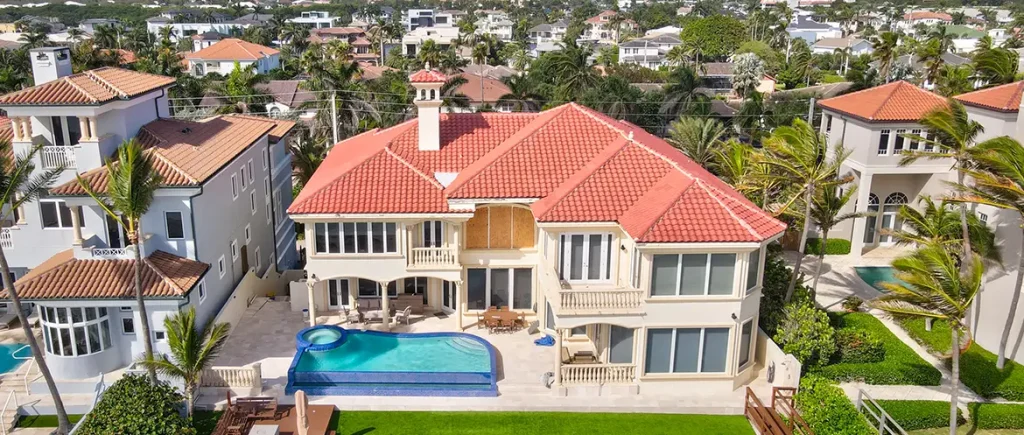
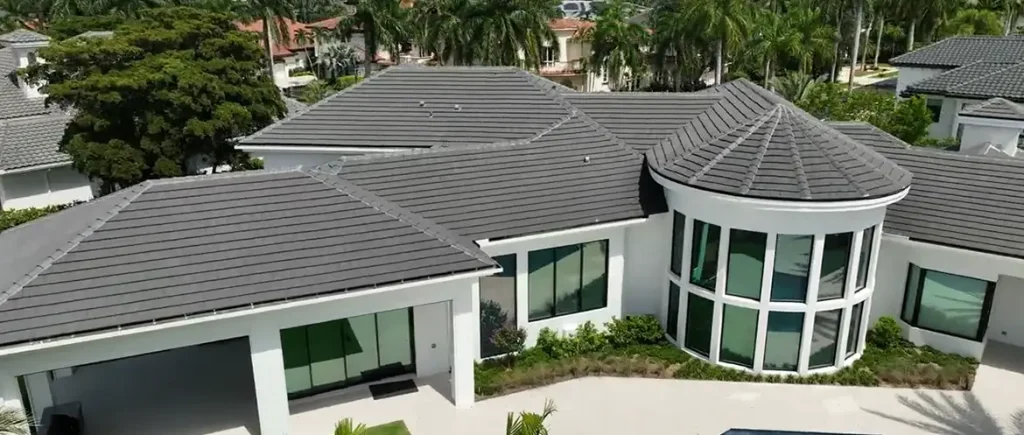
- Clay or concrete-style tile systems.
These products perform differently, and fire performance is just one of the differences. The right roof should fit your home’s construction, location, budget, appearance, maintenance needs, and Florida weather. That’s why we’d avoid asking:
“What’s the safest roofing material?”
That question is too broad. Instead, we’d ask:
“How does this roofing system perform, what ratings or approvals apply to it, and why does it make sense for my particular home?”
That’s a more useful conversation.
What About Your Windows and Doors?
Windows and doors are another important part of the exterior envelope. In Florida, much of the performance conversation understandably centers on storms, wind, impact resistance, energy performance, and water intrusion.
Fire Prevention Week doesn’t suddenly make those considerations less important. It’s a reminder of a bigger principle:
Exterior products have different performance characteristics, and homeowners should understand the ones that matter for their homes.
When you compare windows, doors, roofing, or other exterior products, don’t just rely on labels like premium, high-performance, or built for Florida. Ask what those claims really mean.
What was the product tested for? What ratings apply? How will it be installed? And what does that performance mean for your home?
Pay Attention to Landscaping Around the House
Florida landscaping can stay active year-round. Palms, shrubs, trees, ornamental grasses, and other plants contribute to the appearance and character of a property. They need regular care too.
Remove dead vegetation and dried organic material that has accumulated immediately around the home. Look for fallen branches or palm fronds on or near the roof. Watch for plant material building up against exterior walls or under outdoor structures.
If you live somewhere with a specific wildfire concern, the conversation becomes more detailed. Homeowners in those areas should follow recommendations from local fire authorities regarding vegetation management, defensible space, exterior materials, vents, and other home-hardening measures.
Florida is a big state, and risk can change a lot depending on where you live. Local fire-safety guidance should always come first.
Don’t Forget Patios and Outdoor Living Areas
Florida homeowners use their outdoor spaces differently than homeowners in many colder parts of the country. Patios, lanais, pool areas, decks, grills, outdoor kitchens, and seating areas may be used throughout much of the year. That means things can pile up.
Outdoor cushions. Cardboard packaging. Pool supplies. Landscaping materials. Furniture covers. Tools. Other household items.
Fire Prevention Week is a good excuse to walk through those spaces and look at what’s being stored directly beside the home. Outdoor cooking and heating equipment should also be used according to manufacturer instructions and appropriate fire-safety guidance.
You don’t need an empty patio. The goal is to be intentional about what you keep around the exterior.
Fire Prevention and Exterior Maintenance Have Something in Common
Most home problems don’t show up all at once.
A gutter slowly fills with debris. A palm frond lands somewhere it shouldn’t. Sealant deteriorates. A roofing component loosens. A charger becomes damaged. A smoke alarm reaches the end of its useful life. Dead vegetation accumulates near the house.
It’s easy to put off each of these things on their own. Home maintenance is about catching small changes before they become bigger problems.
That’s a good way to think about prevention too. You can’t eliminate every risk associated with owning a home. You can focus on the risks you can control.
Questions We’d Ask If It Were Our House
Fire Prevention Week is a good time to ask a few simple questions.
Are our smoke alarms working and appropriately located? If we’re unsure, we’d check current fire-safety guidance rather than guessing.
Does everyone know how to get out of the house? That’s especially important for children, older family members, or anyone who might need help.
Are we charging batteries and devices correctly? And are any batteries showing signs of damage, swelling, unusual heat, leaking, or other abnormal behavior?
Has debris accumulated around the exterior? We’d look at accessible gutters, areas around the roof, patios, outdoor living spaces, and landscaping immediately surrounding the house.
Are we storing unnecessary combustible materials directly against the home? Sometimes all it takes is a quick cleanup.
If we’re already planning an exterior project, do we understand the products we’re choosing? Fire performance doesn’t need to be the only deciding factor. But it’s smart to ask about it.
Where Gustafson Roofing Fits Into Fire Prevention Week
Gustafson Roofing has been helping protect Florida homes for more than 75 years. But we know where our expertise begins and ends.
We’re roofing and exterior professionals. We’re not firefighters or electricians. A new roof or window isn’t a substitute for working smoke alarms, safe charging habits, an escape plan, or guidance from qualified fire-safety professionals.
We help homeowners understand the products that protect the exterior of their homes. What is the roof made from? How does it perform in Florida weather? How is water managed? How is the system installed? What product approvals or ratings apply? What maintenance does it need? And when you’re comparing products, what do those specifications actually mean?
That’s the kind of conversation homeowners deserve.
Frequently Asked Questions
When is Fire Prevention Week in 2026?
Fire Prevention Week runs October 4 through October 10, 2026.
What should Florida homeowners check during Fire Prevention Week?
Start with the essentials inside the home, including smoke alarms, household escape planning, and safe battery and charging practices. Outside, look for accumulated organic debris, dead vegetation, items stored against the house, and maintenance concerns around roofs, gutters, patios, and landscaping.
Can debris in gutters be a fire hazard?
Dry leaves and other organic debris are combustible. Keeping gutters and surrounding roof areas clear of accumulated debris can be part of exterior fire-risk reduction while also helping the drainage system work properly.
Are some roofing materials more fire-resistant than others?
Roofing systems can have different fire-performance characteristics and classifications. If you’re replacing your roof, ask about the specific product or system you’re considering rather than assuming that all roofing materials perform the same way.
Does a fire rating mean a roof is fireproof?
No. A fire classification describes certain tested performance characteristics. It shouldn’t be interpreted as meaning that a roofing system or home cannot burn.
Should fire resistance be the main factor when choosing a Florida roof?
Not necessarily. Florida homeowners also need to consider wind and weather performance, installation requirements, water management, durability, maintenance, appearance, cost, and the characteristics of the specific home. Fire performance can be one part of a broader product comparison.
Can Gustafson Roofing perform a home fire-safety inspection?
Gustafson Roofing specializes in roofing and exterior home improvement, not comprehensive fire-safety inspections. For smoke alarms, escape planning, electrical concerns, battery safety, and other life-safety questions, consult your local fire department or an appropriately qualified professional. We can help homeowners understand the condition, installation, and performance characteristics of exterior systems within our expertise.
Protecting a Florida Home Is Bigger Than One Project
Florida homes face plenty of challenges from the environment every year. Hurricanes get the headlines. But taking care of your home is a year-round job.
Test the alarm. Use the right charger. Make sure your family has a plan. Clear debris. Maintain the property. Pay attention when something changes. And understand the products you’re choosing when it’s time to improve the exterior.
At Gustafson Roofing, Powered by Stronghouse, we help Florida homeowners understand and care for the exterior that protects everything inside. A home isn’t just something you improve. It’s something worth looking after.