The 30 Second Version
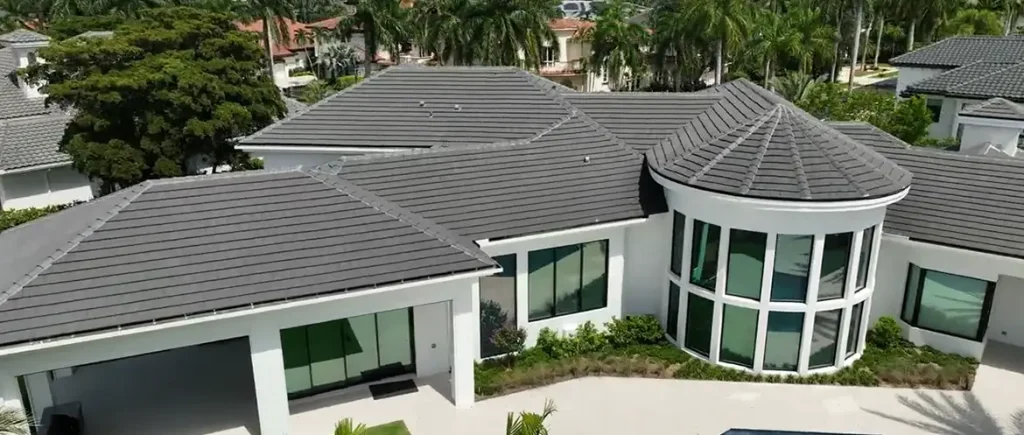
A clay tile roof may look beautiful from the street, but what matters most is how well the layers beneath are holding up. Clay tiles can last for generations, but the underlayment, flashing, fasteners, and other parts of your roof often have shorter lifespans. An older tile roof doesn’t always need to be replaced. What you see on the surface is just one part of the story. For Florida homeowners, knowing what’s under your tile roof helps you answer a key question: Is your roof still protecting your home the way it should, or is it time to give some parts the attention they deserve?
Why Can Tile Roofs Last So Long in Florida?
Clay tile has been a popular roofing material in Florida for good reason. It offers a distinctive architectural appearance, holds up well under prolonged sun exposure, and can provide decades of service when properly installed and maintained.
Gustafson Roofing offers several clay tile styles, including Spanish, Mission, and flat clay tile. For homeowners who appreciate traditional Florida and Mediterranean-inspired architecture, tile can be an attractive long-term investment. But there’s one detail that matters just as much, and it’s easy to miss.
The tile is just the first layer of protection. The layers beneath age differently, and sometimes faster.
What’s Actually Underneath a Tile Roof?
A tile roof is more than just clay tiles lined up in rows. It’s a system built to work together and keep your home safe.
| Roof Component | What It Does | Why It Matters |
| Clay tiles | Shed much of the rain and provide the visible finish | Can remain durable for decades |
| Underlayment | Provides a critical secondary water barrier | May age or deteriorate before the tiles |
| Flashing | Directs water away from roof transitions and penetrations | Vulnerable areas can develop leaks |
| Fasteners and attachments | Secure roofing components | Their condition affects the system |
| Roof decking | Provides structural support beneath the roofing | Can be affected by moisture or deterioration |
| Ventilation components | Help manage roof and attic conditions | Must remain properly integrated and sealed |
Every part of your roof depends on the others to do its job. You can have perfect-looking tiles, but if the underlayment or flashing is worn out, your roof can still let water in. That’s why it’s important to look past the surface when checking an older tile roof.
What Happens When Tile Roof Underlayment Gets Old?
Underlayment is one of the most important parts of a tile roofing system. Clay tiles are designed to shed water, but they aren’t intended to be the only barrier protecting your home from moisture. Water can move beneath the tile surface under certain conditions, making properly installed underlayment essential.
Over time, underlayment can age due to heat, moisture exposure, material characteristics, installation conditions, and other factors. As underlayment wears out, your roof becomes more vulnerable to leaks and water damage. Here’s what makes this tricky for homeowners:
You usually can’t tell how your underlayment is holding up just by looking at your roof from the driveway.
A professional roofer can spot warning signs, but sometimes it takes a closer look, or even lifting a few tiles, to know for sure.
How Long Does Tile Roof Underlayment Last in Florida?
There isn’t one lifespan that applies to every tile roof underlayment. Older felt-based systems, modern synthetic products, and self-adhered underlayments can have different performance characteristics and expected service lives. Actual longevity depends on the specific material, installation, roof design, exposure, and other conditions.
The key point: your underlayment may need to be replaced long before your clay tiles do.
If you have an older tile roof, knowing this can help you plan for the future and avoid surprises.
Can You Replace the Underlayment Without Replacing the Tiles?
In some situations, yes. Some roofing projects involve carefully removing your existing tiles, replacing the underlayment and other key parts, then reinstalling any tiles that are still in good shape. This is sometimes called a tile lift-and-reset or tile reset. But it’s not always the right option.
Whether existing tiles can be reused depends on their condition, how they were originally installed, whether they can be removed without excessive breakage, material availability, current requirements, and the economics of the project. Some tiles may break during removal, particularly if they’re older or brittle. Matching replacements can also become difficult when a tile profile or color is no longer available.
That’s why a tile reset should be treated as a full roofing project, not just a shortcut to save on new tiles.
What About Flashing and Other Roof Components?
Underlayment isn’t the only part of a tile roof that can age. Flashing is installed around areas where roofing materials meet walls, penetrations, valleys, and other transitions. These are places where water needs to be directed carefully.
Over time, flashing and associated connections can deteriorate, become damaged, or develop problems related to installation or movement. Fasteners and other attachment components also deserve attention, especially in coastal environments where salt exposure may contribute to corrosion of vulnerable metals.
Even if your tiles look great, your roof relies on these hidden parts to keep working the way it should.
What Are the Signs Something Under Your Tile Roof Needs Attention?
Since most of your roof’s system is hidden, you’ll often notice the symptoms before you see the real problem. Some warning signs include:
- Recurring water stains on ceilings
- Moisture in the attic
- Leaks around roof penetrations
- Multiple areas requiring repairs
- Visible deterioration around flashing
- Broken or displaced tiles
- Evidence of moisture damage near the roof deck
- Problems that return after previous repairs
These signs don’t always mean your underlayment has failed. Water can get in for different reasons, so it’s important to get the right diagnosis. But if you keep having problems with an older tile roof, it’s time for a thorough checkup.
Does an Older Tile Roof Need to Be Replaced If It Isn’t Leaking?
Not necessarily. Your roof’s age should guide your maintenance and inspections, but it doesn’t mean you need to replace it just because it’s older. Consider the difference between two homes.
Home A: The tile roof is older, but the system is performing well, no recurring problems have been identified, and its condition has been evaluated.
Home B: The tile roof is a similar age, but it has experienced repeated leaks, deteriorated components, and repairs in multiple areas.
Even with similar-looking tiles, these roofs may have very different needs. The real goal is to understand the whole roofing system—not just go by age alone.
Should You Repair, Reset, or Replace a Tile Roof?
For homeowners considering a planned roofing project, there are generally three paths worth understanding.
| Option | When It May Make Sense | Important Considerations |
| Localized repair | A limited problem exists and the rest of the system remains serviceable | The cause needs to be correctly identified |
| Tile lift-and-reset | Existing tiles are suitable for reuse, but underlying components need replacement | Breakage, compatibility, labor, and code requirements matter |
| Full roof replacement | Tiles or multiple system components are deteriorated, or a new roofing system is preferred | Higher project scope, but an opportunity to update the complete system |
There’s no universal winner. A homeowner with sound, reusable clay tiles may have different options than someone with widespread tile deterioration or a discontinued product. And someone planning to remain in the home for decades may evaluate the long-term investment differently from someone preparing to sell. The best choice comes from knowing your roof’s true condition and weighing your options.
Is It Worth Keeping Your Existing Clay Tiles?
Sometimes it is. Clay tile is a big investment, and you don’t need to replace good materials just for the sake of it. But reusing your tiles should make sense for your roof and your budget. Before deciding, ask:
- Are the tiles in suitable condition for removal and reinstallation?
- How much breakage should be anticipated?
- Are matching replacement tiles available?
- Will the existing tile meet the requirements of the proposed roofing system?
- How do the costs compare with installing new tile?
- What warranties apply to each option?
- Will the project comply with applicable local building requirements?
A good roofing partner will help you weigh these factors, not just push for the biggest job.
What Should Florida Homeowners Know Before Buying a House With a Tile Roof?
A tile roof can be a major selling point, especially when it complements the home’s architecture. But if you’re buying an older Florida home, don’t just ask about the age of the tiles. Find out how the roof was installed and cared for over the years. Useful questions include:
- When was the current roofing system installed?
- Has the underlayment ever been replaced?
- Were the tiles reused during a previous project?
- Have there been recurring leaks?
- What repairs have been completed?
- Are installation records or warranties available?
- Has the roof been professionally evaluated recently?
Knowing the age of the visible tiles is helpful. Knowing the full story of your roof is what really matters.
Frequently Asked Questions
Can clay roof tiles outlast the underlayment?
Yes. Clay tiles can remain serviceable for decades, while underlayment and other roofing components may have shorter useful lives.
How do I know if my tile roof underlayment is failing?
Recurring leaks, moisture problems, and other roofing concerns can indicate an issue, but they don’t confirm underlayment failure on their own. A professional evaluation may be needed to identify the actual cause.
Do I have to replace all my roof tiles when replacing underlayment?
Not always. Some projects allow suitable existing tiles to be removed and reinstalled. Tile condition, attachment methods, breakage, availability, and applicable requirements influence whether reuse is practical.
Is a 25-year-old tile roof too old?
Not necessarily. The clay tiles may remain in good condition, but the underlayment and other components deserve consideration. Age alone doesn’t determine whether the roof needs replacement.
Can a tile roof look good but still leak?
Yes. Water can enter through compromised flashing, underlayment, penetrations, or other parts of the roofing system even when many of the visible tiles appear intact.
Continue Learning
- How Long Does a Roof Last in Florida?
- Metal Roof vs. Tile Roof in Florida: Which Is Better?
- Florida Home Exterior Maintenance: What to Check and When
The part of your roof that looks best isn’t always the part that matters most.
One of the biggest advantages of clay tile is its longevity. But even the longest-lasting tiles need a strong system underneath to keep doing their job. For Florida homeowners, especially with older tile roofs, knowing this difference helps you plan repairs, maintenance, or replacement with confidence.
At Gustafson Roofing, Powered by Stronghouse, we believe you deserve to know exactly what’s happening with your roof before you make a big decision. Whether your tiles are ready for more years of service or it’s time for a new system, the right choice starts with understanding what’s beneath the surface.
Thinking about updating your Florida tile roof? Reach out to Gustafson Roofing and let’s find the best solution for your home together.