Executive Summary: Salt air puts Florida homes to the test, especially when it comes to metal parts, fasteners, finishes, windows, gutters, roofing details, and painted surfaces. Salt from the ocean doesn’t stay at the shore. It rides the wind and settles on your home’s exterior. When you add Florida’s heat, humidity, rain, and strong sun, that salt can speed up corrosion and wear down certain coatings and materials faster than you might expect. But living near the ocean doesn’t mean your home is doomed to early problems. What matters most is how close you are to the coast, how exposed your property is, the materials you choose, how they’re installed, and how well you keep up with maintenance. If you live near the coast, the goal isn’t to fight salt, it’s to pick materials and maintenance routines that are built to handle it.
Why Is Salt Air Hard on Florida Homes?
The ocean doesn’t have to physically touch your home for salt to affect it. Wind and sea spray can carry tiny salt particles through the air. Those particles eventually settle on roofs, windows, gutters, siding, railings, fasteners, outdoor equipment, and other exposed surfaces.
Salt is particularly important when metals are involved because it can contribute to the corrosion process. Add South Florida’s moisture and humidity, and you have an environment where certain exterior materials can deteriorate faster than they might farther inland.
Not every coastal home faces the same level of salt exposure. A home directly along the ocean may face very different conditions from a home several miles inland. Buildings with unobstructed exposure to prevailing coastal winds can also experience more salt deposition than homes protected by other buildings, vegetation, or geographic features.
“Coastal” isn’t one uniform environment. That’s why we look at your actual property, not just your ZIP code, when recommending materials.
How Far Inland Can Salt Air Affect a Home?
There isn’t one exact distance where salt exposure suddenly stops. Conditions vary with wind direction, weather patterns, storms, elevation, surrounding development, and proximity to breaking waves and sea spray. The closer your home is to the ocean, the more important it is to choose corrosion-resistant materials and stay on top of maintenance. But even if you live farther inland, don’t assume salt won’t affect your home.
Strong winds and tropical weather can move salt-laden air farther from the immediate coastline, and Florida homes already contend with high humidity and moisture. Instead of asking:
“Am I close enough to the ocean for salt to matter?”
A better question is:
“Are the exterior materials on my home showing signs of coastal exposure?”
Those signs tell you more about your home’s needs than just how many miles you are from the beach.
What Parts of a Coastal Home Are Most Affected by Salt Air?
Salt exposure doesn’t affect every exterior material in the same way.
| Exterior Component | Potential Salt-Air Concern | What to Watch For |
| Metal roofing | Corrosion or coating deterioration | Discoloration, exposed metal, damaged finishes |
| Roof fasteners & flashing | Corrosion | Rust, staining, deterioration around connections |
| Gutters | Corrosion depending on material | Pitting, staining, leaks, failing connections |
| Windows | Metal-frame and hardware deterioration | Corrosion, difficult operation, damaged finishes |
| Exterior paint | Faster finish deterioration | Fading, chalking, peeling, cracking |
| Siding | Surface buildup and finish wear | Discoloration, staining, damaged finishes |
| Doors & hardware | Corrosion of exposed metal | Rust, sticking, deteriorating hardware |
| Exterior fasteners | Corrosion | Rust streaks, loose connections, material staining |
What you see on the surface is only part of the story. Some of the components most vulnerable to deterioration are the small ones homeowners rarely think about: screws, clips, fasteners, flashing, brackets, connectors, hinges, and hardware.
Even the best-looking exterior won’t last if the wrong fasteners are holding it together.
What Does Salt Air Do to a Metal Roof?
Metal roofing can be an excellent choice for Florida, including many coastal homes. But “metal roof” describes a category, not a single product.
Different metals, coatings, finishes, fasteners, panel systems, and installation methods can respond differently to coastal exposure. Salt can contribute to corrosion when vulnerable metal is exposed. Damage to a protective coating or finish can also create areas that deserve closer attention.
That’s why choosing the right product matters even more when you live near the coast. A homeowner comparing metal roofing should ask questions beyond color and price:
- Is this roofing system appropriate for my property’s coastal exposure?
- What type of metal is being used?
- What protective finish or coating does it have?
- Are the fasteners and accessories compatible with the roofing material?
- Does the manufacturer have coastal installation requirements or warranty limitations?
- What maintenance does the manufacturer recommend?
These questions matter more than just asking which metal roof lasts the longest.
What about tile roofing?
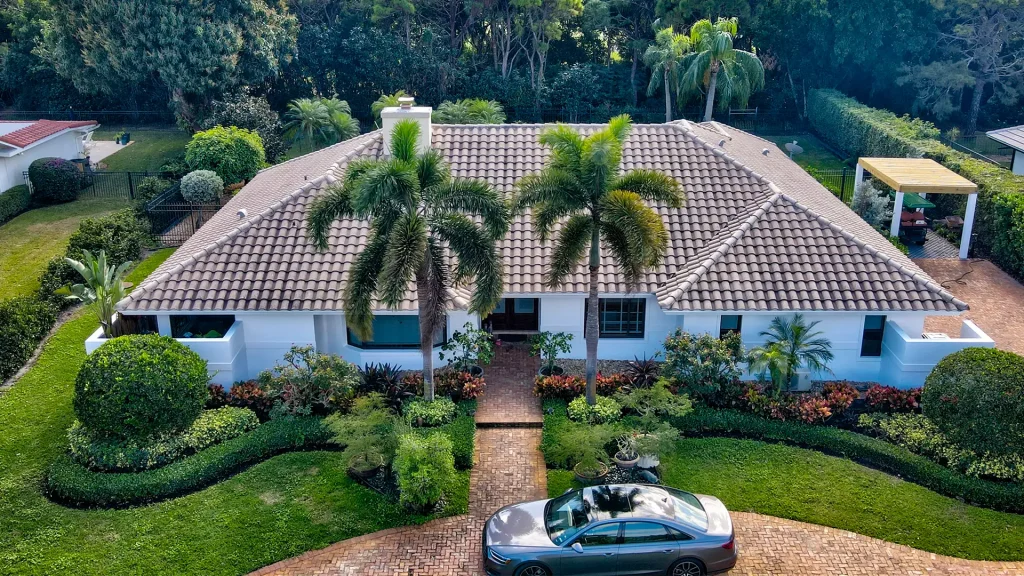
Clay tile doesn’t corrode like exposed metal, which can make it attractive in coastal environments. However, a tile roof is not made entirely of clay. Flashing, fasteners, vents, valleys, underlayment, and other components still form part of the roof system.
That’s why we encourage you to see your roof as a system, not just a surface. Even if your roof material stands up to the coast, the parts underneath need to be right for the environment too.
What Does Salt Air Do to Gutters?
Gutters are always out in the elements, so picking the right material is especially important for coastal homes. Gustafson offers both aluminum and copper gutters, and each brings different characteristics to the conversation.
Aluminum gutters
Aluminum is popular because it is lightweight, relatively economical, and naturally resistant to rust. That last point is important: aluminum does not rust in the same way iron or steel does. But aluminum isn’t immune to coastal wear. It can still corrode if finishes are damaged or if incompatible metals are used together. Regular inspections can help catch deterioration around seams, fasteners, downspouts, and attachment points before it turns into a larger problem.
Copper gutters
Copper behaves differently. Rather than rusting, exposed copper naturally develops a patina as it ages. That changing appearance is part of the reason many homeowners choose it.
Copper gutters can last a long time, but only if they’re installed right. Mixing metals can cause trouble, so we always look at the whole system, gutters, fasteners, hangers, and flashing, together. This is another reason why material compatibility matters for coastal homes.
How Does Salt Air Affect Windows?
Windows have more exterior components than homeowners sometimes realize. Depending on the window, there may be:
- Frames
- Fasteners
- Locks
- Hinges
- Operators
- Tracks
- Screens
- Metal reinforcement
- Exterior finishes
Salt buildup and corrosion can affect hardware and exposed metal components over time. If you’re comparing replacement windows for a coastal home, don’t stop at glass performance. Frame material, hardware, finish, installation, water management, and how well the window fits your home’s exposure all matter.
We offer both aluminum and vinyl windows because the right choice depends on your home, not a one-size-fits-all rule. Vinyl avoids some of the corrosion concerns associated with exposed metal framing and is popular for its energy efficiency and relatively low maintenance. Aluminum gives you strength, slim lines, and a clean look, but the finish and product need to match your environment.
That’s a key difference for coastal Florida homes.
Does Salt Air Damage Exterior Paint?
Salt doesn’t just affect metal. Coastal conditions can also be hard on exterior finishes. Salt residue can collect on painted surfaces, while Florida simultaneously exposes those surfaces to intense UV radiation, heat, humidity, heavy rain, and wind.
Over time, homeowners may notice:
- Fading
- Chalking
- Peeling
- Cracking
- Blistering
- Discoloration
- Loss of adhesion
But salt isn’t always the reason paint fails early. Poor surface preparation, moisture behind the coating, incompatible products, improper application, and ordinary age can produce similar symptoms.
That’s why just painting over a problem area doesn’t always fix it. You need to know why the paint failed before adding another coat.
What Type of Paint Is Best Near the Florida Coast?
There isn’t one paint that’s best for every surface. Gustafson works with several coating types, including water-based acrylics, latex, and oil-based products, depending on the application. For many exterior surfaces, quality water-based acrylic coatings can offer advantages such as flexibility, color retention, and resistance to fading, cracking, and peeling.
But picking the right paint is only part of the job. Getting the surface ready is especially important near the coast. If salt, dirt, loose paint, or mildew are left behind before painting, even the best paint can struggle to do its job. The better question isn’t simply:
“What’s the best exterior paint?”
It’s:
What’s the right paint and prep for this surface and this environment?
We’ll explore that question more deeply in our guide to What Type of Exterior Paint Holds Up Best in Florida?
Does Salt Air Affect Vinyl Siding?
Vinyl siding doesn’t rust, making corrosion less of a concern for the siding panels themselves. But that doesn’t mean you can ignore vinyl exteriors near the coast.
Salt, dirt, biological growth, and airborne contaminants can accumulate on the surface over time. Depending on the installation, there may also be metal fasteners, trim pieces, fixtures, and accessories elsewhere on the exterior that warrant inspection. Regular cleaning and inspection keep your siding looking good and help you catch loose panels, damaged trim, moisture issues, or problems with nearby parts before they get worse.
Coastal maintenance is about catching small issues early, not waiting for something big to go wrong.
How Can You Tell If Salt Air Is Affecting Your Home?
You don’t need to perform a technical inspection every weekend. Instead, get to know what your home’s exterior usually looks like. Changes worth investigating include:
- Rust-colored streaks
- Pitting or corrosion on metal
- Bubbling or failing coatings
- Chalky or faded paint
- Deteriorating fasteners
- Loose hardware
- Staining around metal connections
- Gutters leaking around seams or attachments
- Windows becoming harder to operate
- Visible damage to roof coatings or finishes
One symptom doesn’t automatically mean you need a replacement. A small corroded component may simply need service. The key is to spot changes early, so you can understand what’s happening before small problems spread.
Should You Rinse Salt Off Your Home?
For many exterior products, regular cleaning helps remove salt, dirt, and other buildup. But it’s important to follow the manufacturer’s recommendations here. Different roofs, siding, windows, and finishes all have their own cleaning needs. Using harsh chemicals, rough tools, or too much pressure can do more harm than good.
Don’t just grab the highest pressure setting on your washer. Instead, follow the cleaning instructions for each product on your home. If you’re not sure what material or finish you have, find out before you start cleaning.
Does Living Near the Ocean Mean Your Exterior Won’t Last as Long?
Not necessarily. Coastal exposure puts more stress on your home’s exterior, but the materials you choose, the quality of the products, how they’re installed, and how you maintain them all play a role in how long they last. Two neighboring houses can even age differently because of:
- Roof orientation
- Wind exposure
- Tree cover
- Distance from open water
- Building height
- Material selection
- Maintenance history
- Installation quality
That’s why you should treat lifespan estimates as ranges, not hard expiration dates. Your home doesn’t care what the brochure says about how long a roof or window should last. It responds to the real conditions it faces every day.
A Better Coastal Maintenance Strategy: Think in Systems
It’s easy to make the mistake of looking at each part of your exterior on its own.
Roof. Windows. Gutters. Paint. Siding. But in reality, all these parts work together. Consider this progression:
Salt and weather affect a metal fastener > The connection begins deteriorating > Water finds an opening > Moisture reaches materials behind the exterior surface > A small exterior issue becomes a larger repair
Not every rusty screw is an emergency. It just shows why the small details deserve your attention. For coastal homeowners, good maintenance isn’t about replacing things all the time—it’s about finding weak spots before water can cause bigger problems.
How Often Should a Coastal Florida Home Be Inspected?
There’s no one-size-fits-all inspection schedule. A newer home several miles inland may have very different needs from an older oceanfront property with constant exposure.
At a minimum, make it a habit to check your exterior now and then, and always after a big storm. A more complete professional evaluation may make sense when:
- A major storm has affected the area
- You notice visible corrosion or deterioration
- The roof is approaching an age where problems become more common
- Windows or doors stop operating normally
- Paint begins failing unexpectedly
- Gutters leak or pull away from the home
- You’re planning another exterior renovation
- You’re buying an older coastal property
The goal isn’t to find a problem every time you look. Sometimes the best result is knowing your exterior is doing its job.
What Should Coastal Florida Homeowners Prioritize?
If you live near the ocean, focus on four things:
1. Choose materials for the actual environment
A product that works great inland might not be the best fit for a home right by the coast.
2. Pay attention to the small metal components
Fasteners, flashing, connectors, hardware, and attachment points matter just as much as the big exterior materials.
3. Follow manufacturer maintenance requirements
Cleaning and maintenance should fit the exact products you have on your home.
4. Address deterioration before water becomes involved
Corrosion often starts small. But once water finds a way in, the problem can get much bigger.
That’s what coastal maintenance is all about—not stressing over every sign of age, but knowing which ones need your attention.
Frequently Asked Questions
How close to the ocean does a house need to be for salt air to cause problems?
There isn’t a universal cutoff. Salt exposure generally becomes more significant closer to the ocean, but wind, storms, elevation, surrounding buildings, and the property’s exposure can all influence how much salt reaches a home.
Will a metal roof rust near the ocean?
It depends on the metal roofing system. Metal type, protective coatings, fasteners, installation, maintenance, and the home’s coastal exposure all influence corrosion risk. A metal roofing product intended for one environment shouldn’t automatically be assumed appropriate for every coastal property.
Are tile roofs better near the ocean?
Clay tile itself doesn’t corrode like metal, which can be an advantage. However, tile roofs still rely on flashing, fasteners, underlayment, and other components. Those parts of the roof need to be appropriate for coastal conditions too.
Are aluminum gutters good for coastal Florida?
Aluminum gutters are lightweight and don’t rust like steel, making them a common option. They can still experience corrosion under certain conditions, so proper finishes, compatible components, installation, and maintenance remain important.
How often should I wash salt off my house?
Follow the cleaning recommendations for the specific roofing, siding, window, gutter, or coating product installed on your home. The appropriate frequency and cleaning method depend on the product and level of exposure. Avoid assuming that high-pressure washing is safe for every exterior surface.
Can salt air damage windows?
Yes. Salt exposure can contribute to corrosion and deterioration of certain window frames, hardware, fasteners, screens, and other metal components. Window material, protective finishes, installation, maintenance, and distance from the coast can all affect performance.
Protecting a Home Built for Coastal Florida
Living near the Florida coast means your home faces more challenges—salt, sun, humidity, rain, and storms all put your exterior to the test. The answer isn’t to be afraid of certain materials. It’s about choosing the right products, installing them the right way, knowing how they age, and maintaining them for your home’s real conditions.
At Gustafson Roofing, Powered by Stronghouse, we want you to understand these differences before you decide if your exterior needs maintenance, repair, or replacement. Along the Florida coast, the best exterior isn’t just the one that looks good on day one. It’s the one chosen with your environment in mind.